 |
|||
 |
|||
 |
 |
 |
|
 |
|
 |
 |
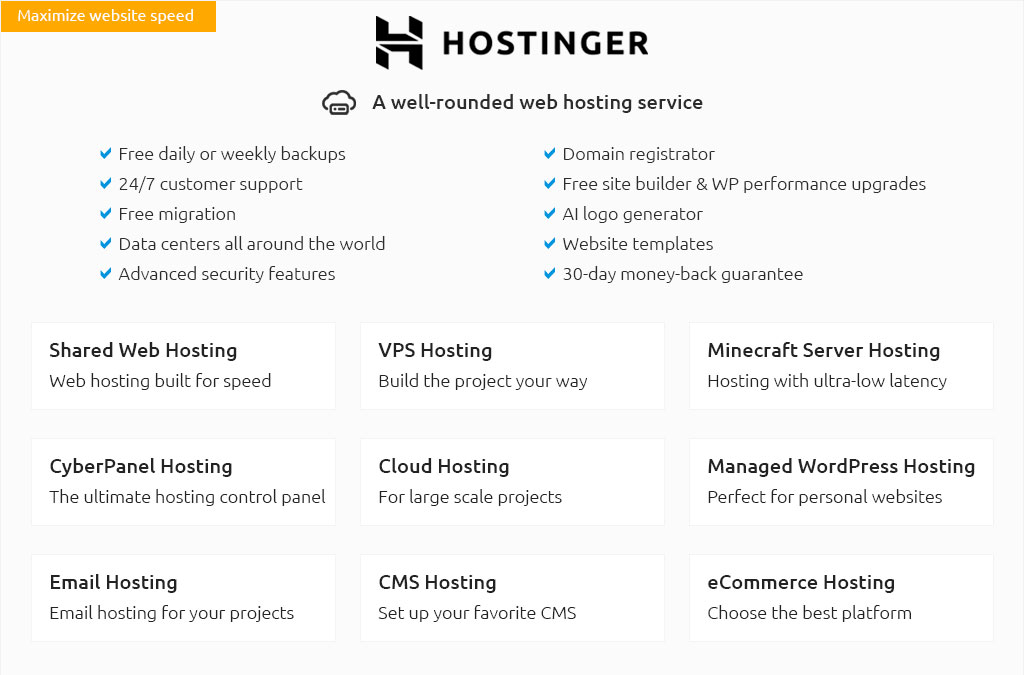 |
|||
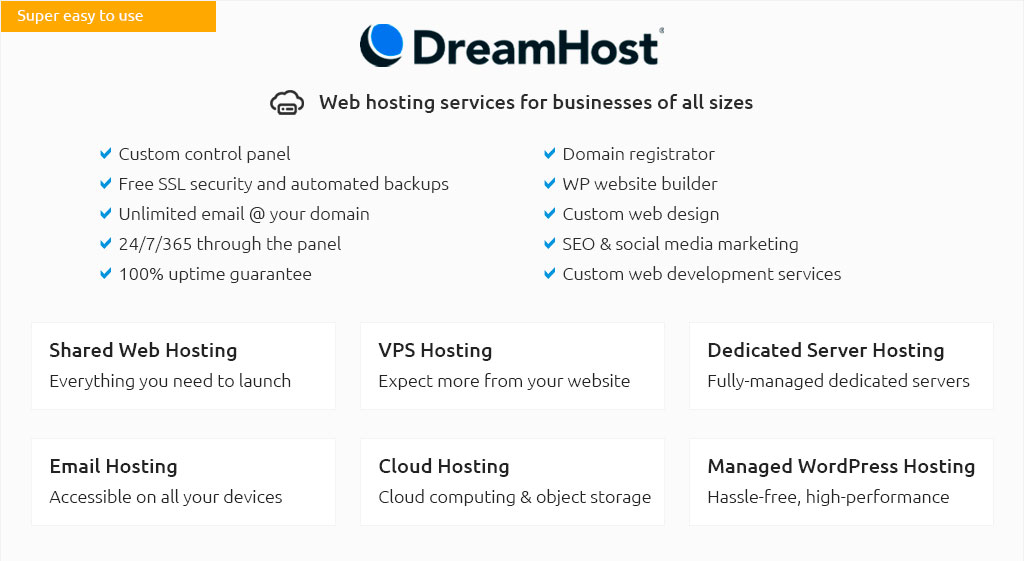 |
|||
 |
|||
 |
 |
email hosting explained for modern teamsWhat it is and why it mattersEmail hosting provides mailboxes on your own domain, routing messages through managed servers with DNS records, security, and policies. Compared with free inboxes, it offers control, professional branding, and tools that keep conversations reliable and compliant, which can directly affect deliverability and customer trust. Key advantagesGood providers balance speed with resilience, plus admin controls for retention, encryption, and discovery. You also get human support, integrations, and predictable uptime for critical workflows.
Potential drawbacksThere are trade-offs: costs add up, vendor lock-in is real, and setup can be fussy if you lack DNS access or legacy archives.
Evaluate needs, pilot with a small team, verify backups and export paths, and choose transparent billing with responsive support.
|
